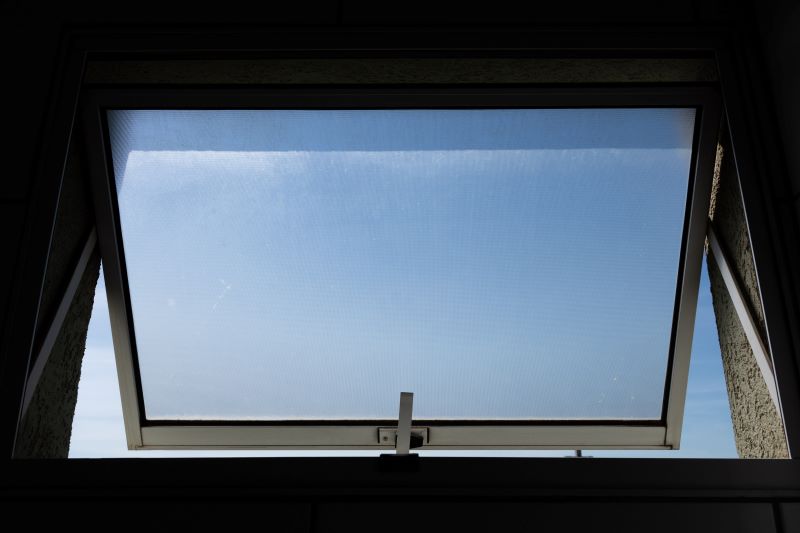

Control moisture where it is produced. Use properly vented kitchen and bathroom exhaust, run it during the activity and long enough afterward to clear moisture, and keep warm room air moving across the window.
Alongside the specific checks in Preventing Ice on Inside of Windows in Kitchens and Bathrooms, review ice on the inside of windows and compare that guidance with measured conditions in this home.
Why the frost pattern matters
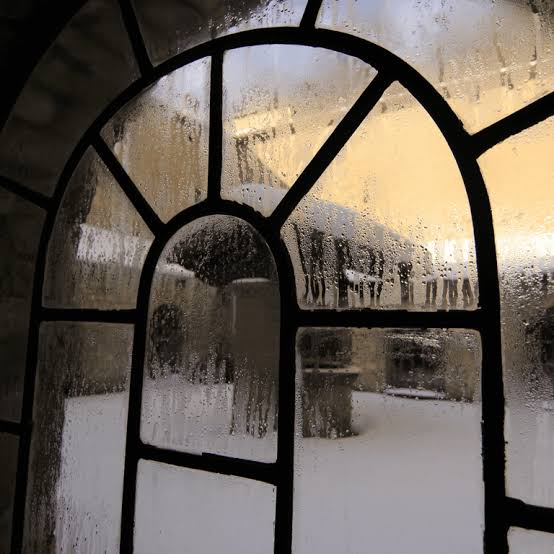
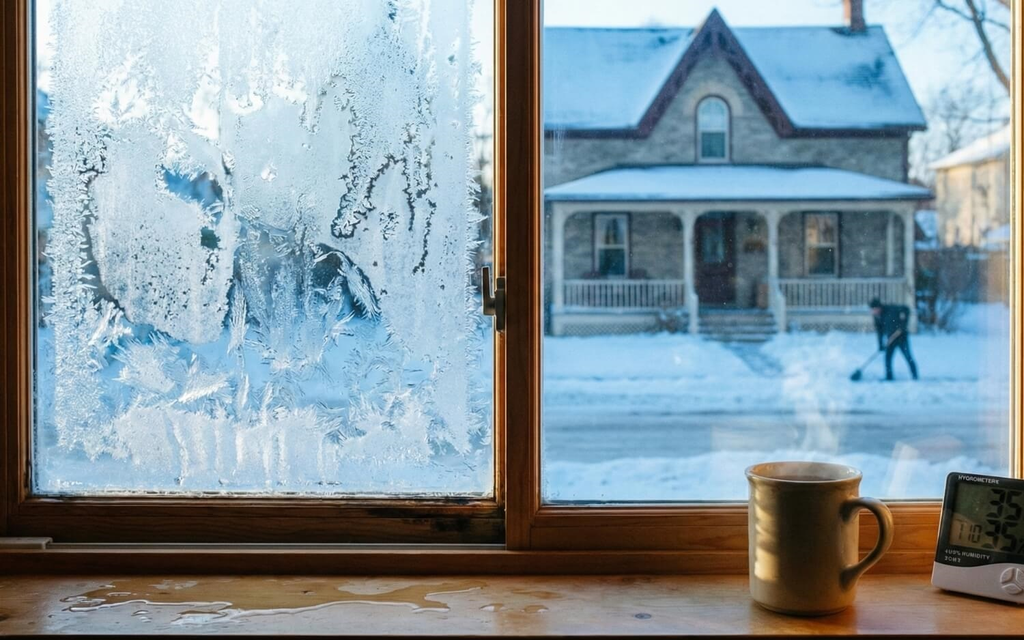
A frost complaint becomes manageable once its variables are named. A window is often the first visible surface to report excess winter moisture because it is colder than surrounding finishes. The window may be sound, defective, or simply operating at a difficult temperature-humidity combination. The pattern and comparison with nearby units decide which explanation deserves attention first.
Do not turn 30 to 50 percent relative humidity into a fixed winter rule. It is Health Canada’s broad indoor range, not a promise that every Canadian window will remain dry. As the exterior temperature falls, Natural Resources Canada indicates that the condensation-safe indoor level can fall as well.
Evidence to collect:
- Frost appears immediately after showers.
- Kitchen window wets during boiling or dishwashing.
- Fan noise is present but airflow is weak.
- Exterior hood is blocked or recirculates indoors.
Within the diagnostic path for Preventing Ice on Inside of Windows in Kitchens and Bathrooms, use location and timing to distinguish how to prevent frost on inside of house windows from between-pane moisture, uncontrolled air leakage, or a room-specific airflow problem.
Practical response:
- Confirm each fan actually discharges outdoors.
- Use a timer or humidity control where appropriate.
- Keep bathroom doors positioned for the intended airflow.
- Cover pots and use the range hood.
- Dry the sill before moisture freezes.
Scenario
Illustrative scenario: the bathroom mirror clears slowly and frost builds on the window after every shower. The fan runs, but tissue at the grille shows weak draw and the exterior damper is stuck. Ventilation maintenance comes before a window replacement quote.
What not to assume
A recirculating range hood can capture grease and odour but does not necessarily remove water vapour outdoors. Verify ducting and termination instead of assuming fan noise equals moisture removal.
When professional help makes sense
Use an HVAC or ventilation contractor for weak or improperly terminated exhaust. Use a window professional when one opening remains unusually cold, leaks air, or shows concealed water damage. For a review centred on Preventing Ice on Inside of Windows in Kitchens and Bathrooms, bring photos and measurements plus the reference steps for ice buildup on windows; the visit can then begin with evidence rather than a generic replacement assumption.
Frequently asked questions
How long should a bathroom fan run?
Use the manufacturer’s guidance and run long enough to clear moisture. A timer or humidity control can improve consistency.
Will opening the bathroom window solve it?
It may provide temporary ventilation in mild weather but is not a controlled all-season strategy and can create cold surfaces in winter.
What if the fan works but frost remains?
Measure humidity, check room heat and coverings, then inspect the window and perimeter if it remains an outlier.
Suggested internal links
Choosing and Installing Windows
Energy Efficient Windows Guide
Authoritative sources
Natural Resources Canada – Condensation
Natural Resources Canada – Keeping the Heat In, Section 9
Health Canada – Guide to addressing moisture and mould indoors